Helping Grandchildren Financially Without Hurting Your Retirement

One of the greatest joys of retirement is having the opportunity to help the next generation.
Whether it’s contributing toward college, helping with a first home, paying for extracurricular activities, or simply creating memories through family vacations, many grandparents want to give their children and grandchildren opportunities they may not have had themselves.
But there’s an important question that often gets overlooked:
Can you afford to help without putting your own retirement at risk?
Hi, I’m Dwight Dettloff, a fee-only CFP® professional and CPA/PFS in Lafayette, Colorado. I help retirees make confident financial decisions by coordinating retirement income, tax planning, and investments into one comprehensive strategy.
One of the conversations I have surprisingly often isn’t about growing wealth—it’s about sharing it wisely.
The goal isn’t to leave the largest inheritance possible.
It’s to enjoy your retirement while helping your family in ways that are both meaningful and financially sustainable.
Retirement Comes First
This may sound backwards, but if you want to help your family over the long term, the best thing you can do is make sure you won’t become financially dependent on them later.
Your children can borrow for college.
You can’t borrow for retirement.
Before making significant gifts, ask yourself:
Do I have a written retirement income plan?
Have I stress-tested my portfolio?
Can I comfortably withstand another market downturn?
Do I have a plan for healthcare and long-term care?
Will this gift affect my own lifestyle twenty years from now?
If those questions are difficult to answer, it may be worth stepping back before writing a large check.
Related reading: If you’re approaching retirement, you may also enjoy 5 Things to Do Before You Retire.
There Are Many Ways to Help
Financial assistance doesn’t always have to mean handing someone cash.
Depending on your goals, you might consider:
Contributing to a 529 education savings plan
Funding a Trump Account (if eligible)
Helping with a first home down payment
Paying tuition directly
Covering summer camps or extracurricular activities
Purchasing experiences instead of possessions
Teaching investing and financial literacy
Sometimes the greatest gift isn’t the dollar amount.
It’s teaching confidence and good financial habits.
If you’re considering education savings, you may enjoy reading Trump Account vs. 529 Plan: Which Is Better? and What Are Trump Accounts? A Grandparent’s Guide.
Don’t Let Taxes Drive Every Decision
Many grandparents understandably ask about gift tax rules.
Taxes certainly matter.
But they shouldn’t become the primary reason you make—or avoid—a financial gift.
A good financial plan starts with your goals.
Taxes simply help you accomplish those goals more efficiently.
For example:
Should appreciated stock be gifted instead of cash?
Does a Colorado CollegeInvest 529 plan make sense?
Should gifts be spread over several years?
Is charitable giving part of your legacy plan?
These are planning questions—not just tax questions.
Colorado Families Have Additional Planning Opportunities
If you live in Colorado, helping grandchildren can involve state-specific tax planning opportunities.
For example, contributions to CollegeInvest, Colorado’s official 529 savings program, may qualify for a Colorado state income tax subtraction, subject to current state rules.
That doesn’t automatically make a 529 the best answer.
It simply means Colorado residents have another factor worth considering when evaluating education savings strategies.
Likewise, many Colorado retirees hold appreciated investments, concentrated employer stock, pensions such as Colorado PERA, or significant retirement accounts that deserve coordinated planning before making large gifts.
Related reading: Colorado PERA: 5 Things to Know Before You Retire.
Beware of Becoming the Family Bank
Helping once is very different from becoming financially responsible for multiple generations.
I’ve seen retirees gradually move from:
“We’re helping with one semester of college.”
to
“We’re paying for tuition, rent, car insurance, vacations, and emergency expenses.”
Generosity can become expectation.
Healthy financial boundaries protect everyone involved.
Helping should strengthen family relationships—not create dependence or resentment.
Sometimes Time Is More Valuable Than Money
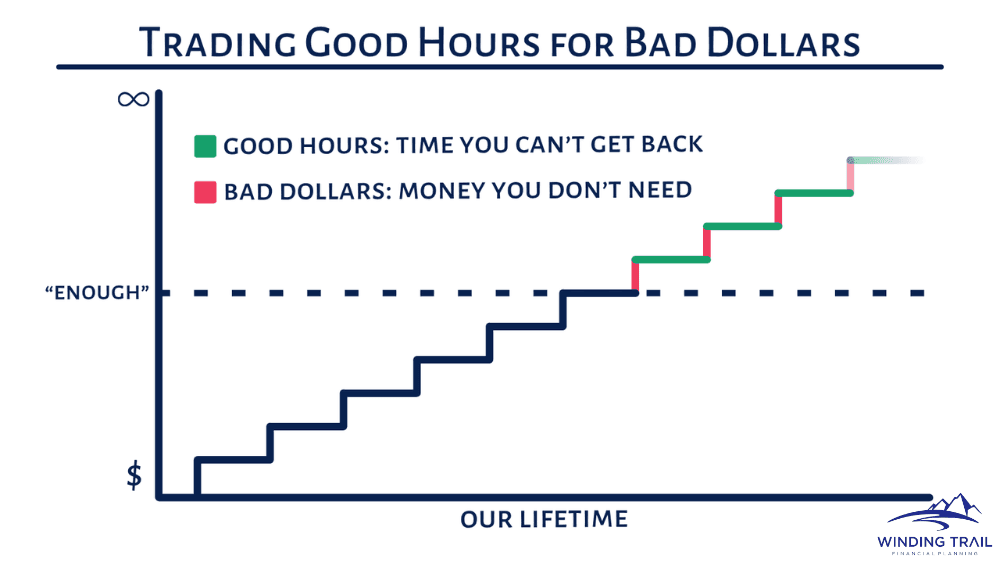
As grandparents, it’s easy to focus on financial gifts because they’re measurable.
But years from now, your grandchildren may remember:
Fishing trips
Ski vacations
Teaching them to invest
Reading books together
Family traditions
Simply showing up
Those experiences often leave a deeper legacy than another check.
As I’ve written before, retirement isn’t simply about maximizing your portfolio.
It’s about maximizing your life.
You may also enjoy Time in the Market vs. Timing the Market, because building wealth often comes from patience, consistency, and long-term thinking—the same principles that apply to building a family legacy.
Create a Giving Plan
Rather than making financial decisions reactively, consider establishing a family giving strategy.
Ask yourselves:
How much are we comfortable giving each year?
Which goals matter most?
Should gifts be equal among grandchildren?
Are we helping because they need it—or because we feel obligated?
How does this fit alongside our retirement income plan?
Having a plan often reduces stress and family misunderstandings.
Final Thoughts
Helping your grandchildren financially can be one of the most rewarding parts of retirement.
But generosity works best when it comes from a position of financial strength—not financial sacrifice.
A thoughtful financial plan helps you answer both questions:
Can I help my family today?
and
Will I still be financially secure twenty years from now?
The good news is that those goals often work together with the right planning.
Thanks for reading!

I'm Dwight Dettloff, a fee-only CFP® professional and CPA/PFS in Lafayette, Colorado. I help retirees make confident financial decisions by coordinating retirement income, tax planning, and investments into one comprehensive strategy. Learn about my planning process and schedule an introductory conversation.
Continue Exploring
If you’d like to learn more, these resources may help:
Retirement Planning
Retirement Planning in Lafayette, Colorado – Learn how I help retirees coordinate taxes, investments, and retirement income.
Frequently Asked Questions About Working with Winding Trail Financial
Financial Planning FAQs – Answers to many of the questions I hear from retirees and families.
Ready to Talk?
Start Here – Learn about my planning process and schedule an introductory conversation.
Additional Articles You May Find Helpful
Frequently Asked Questions
Should grandparents help their grandchildren financially?
Yes, if doing so doesn’t compromise their own retirement security. Before making significant gifts, ensure you have a sustainable retirement income plan and sufficient emergency reserves.
How can grandparents help grandchildren without running out of money?
Create a giving budget as part of your overall retirement plan. Decide in advance how much you’re comfortable giving each year and avoid making emotional decisions that could jeopardize your long-term financial security.
Is it better to give money now or leave an inheritance?
It depends on your goals. Some families find it more meaningful to help with education, a first home, or other milestones during their lifetime, while others prefer leaving assets through their estate. The right answer depends on your financial situation and family priorities.
Should grandparents contribute to a 529 plan?
For many families, yes. A 529 plan can provide tax-advantaged education savings, and Colorado residents may qualify for a state income tax subtraction by contributing to CollegeInvest, Colorado’s official 529 savings program.
Can helping my grandchildren hurt my retirement?
Absolutely. Large or recurring financial gifts can reduce retirement income, increase withdrawal rates, and limit your flexibility during market downturns or unexpected healthcare expenses. It’s important to evaluate gifts within the context of your long-term financial plan.
How much money should grandparents give grandchildren each year?
There isn’t a universal amount. The appropriate level depends on your retirement income needs, investment portfolio, tax situation, and personal goals. Many families benefit from establishing an annual giving budget rather than making ad hoc gifts.
What’s the best financial gift for a grandchild?
That depends on the child’s age and your goals. Options may include contributing to a 529 plan, funding a Trump Account (if eligible), paying for educational expenses, helping with a first home, or simply teaching sound financial habits. Sometimes the most valuable gift is financial education paired with your time and guidance.
Disclaimer: None of the information provided herein is intended as investment, tax, accounting or legal advice, as an offer or solicitation of an offer to buy or sell, or as an endorsement, of any company, security, fund, or other securities or non-securities offering. The information should not be relied upon for purposes of transacting securities or other investments. Your use of the information is at your sole risk. The content is provided ‘as is’ and without warranties, either expressed or implied. Winding Trail Financial Planning, LLC does not promise or guarantee any income or particular result from your use of the information contained herein. Under no circumstances will Winding Trail Financial Planning, LLC be liable for any loss or damage caused by your reliance on the information contained herein. It is your responsibility to evaluate any information, opinion, or other content contained.
Plan Your Next Chapter
Download our free guide "Seven Essentials for Successful Investing in Retirement" and get clarity on what really matters for your retirement success.